Madelican: A Script Font with Modern Soul
There’s a moment in every branding project where you open a blank brand board and feel the weight of possibility. That’s when I first tested Madelican on a logo concept for a boutique identity project. It wasn’t just any font—it was something special, a blend of modernity and romance that felt like it had been waiting for this exact moment.
A Font That Speaks in Two Languages
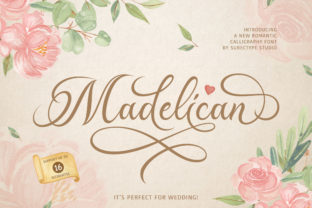
Madelican is a script font with a modern twist. It’s not your typical romantic calligraphy that feels overly ornate or difficult to read. Instead, it balances elegance with clarity, making it versatile enough for both display and functional use. The curves are soft but precise, and the spacing is clean, which gives it a refined look without sacrificing readability.
I used it for a café visual refresh, placing it on a menu header and a social media layout. The result was immediate—Madelican brought a sense of warmth and sophistication that aligned perfectly with the brand’s aesthetic. It felt like the font understood the brand’s voice, even before I had a chance to tweak it further.
Testing Madelican in Real Design Scenarios
During the project, I tested Madelican across multiple design assets: logos, business cards, packaging mockups, and website headers. It performed well in all these contexts, though its true strength shone through in logos and brand signatures.
On a coffee shop sign, Madelican added a touch of personality without overwhelming the viewer. On a product label, it maintained legibility at smaller sizes, which is a rare quality for a script font. Even on a homepage hero section, it held up against modern sans serif typography, proving its adaptability.
One thing I noticed early on was how Madelican handled ligatures and alternates. They added subtle variety without disrupting the overall flow, making it easy to create visually interesting compositions without overcomplicating things.
When to Use Madelican—and When Not To
Madelican is best suited as a display font, headline font, or logo font. Its unique style makes it ideal for short phrases, brand signatures, and decorative elements. However, it’s not the best choice for long body text or formal corporate settings where clarity and consistency are paramount.
If you’re working on a skincare product brand, for example, Madelican could be the perfect choice for packaging labels or promotional materials. But if you’re designing a financial services website, you might want to pair it with a more neutral sans serif font to maintain professionalism.
That said, Madelican can still play a supporting role in those scenarios. As an accent font or decorative element, it adds character without overshadowing the main content. This flexibility is one of its greatest strengths.
Font Pairing and Stylistic Considerations
Pairing Madelican with other fonts can elevate your design work significantly. I often find it works well with modern sans serifs like Montserrat or Lato for a balanced contrast. For a more elegant pairing, a serif font like Playfair Display can complement its romantic qualities beautifully.
For a handcrafted feel, pairing it with a handwritten font like Great Vibes can create a cohesive yet dynamic look. In editorial design or creative studio identities, this kind of pairing helps establish a clear visual hierarchy while maintaining a cohesive brand language.
It’s also worth noting that Madelican supports multiple languages and offers various weights and styles. This makes it a great option for international brands or projects that require versatility in typography.
Practical Tips for Using Madelican in Client Work
Before using Madelican in final client work, always test it in different formats and sizes. Check how it looks on printed materials, digital screens, and mobile devices. This ensures it maintains its appeal across all platforms.
Also, make sure to review the commercial font licensing terms. Depending on the project, you may need to purchase a license for webfonts, print-on-demand products, or templates. Being aware of these requirements upfront can save you from unexpected issues down the line.
Finally, don’t be afraid to experiment. Madelican has a personality that invites creativity, and sometimes the best results come from pushing the boundaries of what a font can do.