Dancing Font for Handmade Creators
There’s something magical about watching a font come to life on a handmade project. I remember the first time I used Dancing on a candle label—simple, elegant, and just right for the rustic vibe I was going for. It wasn’t just any font; it was a style that felt like it had been hand-painted by a friend, with a touch of whimsy and charm that made everything it touched feel special.
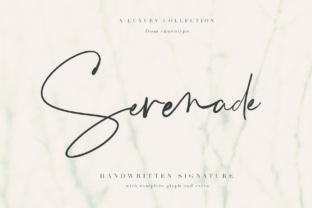
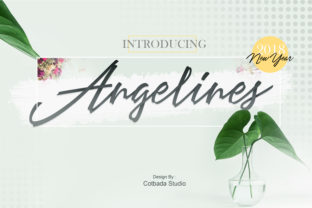
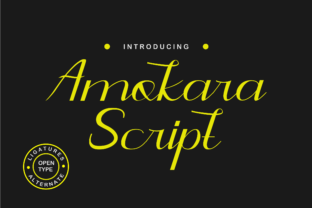
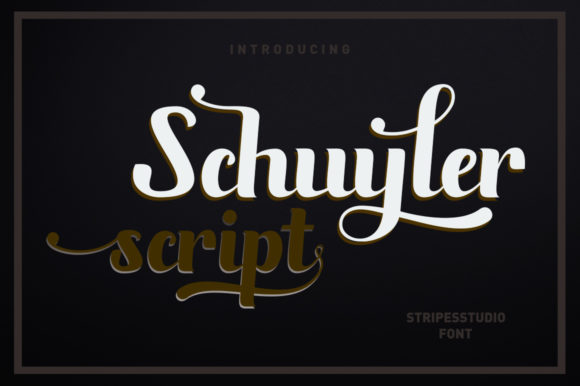
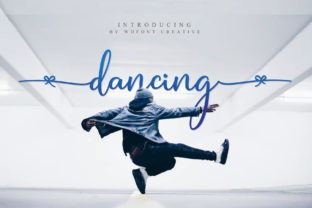
Dancing is a unique handwritten font that brings a sense of warmth and personality to any design. Its flowing lines and delicate curves make it ideal for creative projects that require a personal touch. Whether you're crafting wedding invitations, designing printable wall art, or creating custom tote bags, this font adds a layer of character that can elevate your work from ordinary to extraordinary.
From Labels to Wall Art: Where Dancing Shines
One of my favorite uses for Dancing has been in designing labels for small-batch candles. The soft, script-like quality of the font complements the natural materials and earthy tones of the candles perfectly. It feels like the label is part of the product itself, not just an afterthought.
But Dancing isn’t just for labels. I’ve also used it for birthday invitations, farmhouse signs, and even printable wall art. The font’s versatility makes it a go-to choice for a wide range of creative applications. When paired with a clean sans serif font, it creates a nice balance between elegance and readability.
For seasonal products, Dancing adds a nostalgic feel that’s perfect for holiday tags or boutique packaging. I once created a set of holiday stickers using Dancing, and they became some of the most popular items in my shop. The font’s charm made the designs feel more personal and inviting, which helped customers connect with the products on a deeper level.
Designing with Confidence: Tips for Using Dancing
When working with Dancing, it’s important to consider how it will look in different contexts. For small stickers or product labels, ensure the text is large enough to be legible. The font’s intricate details can sometimes make it tricky to read at smaller sizes, so always test your designs before printing.
For digital downloads, previewing your designs on mockups is essential. I often use tools like Canva or Adobe Express to see how Dancing looks on various backgrounds and layouts. This helps me ensure that the font maintains its visual appeal without overwhelming the design.
When pairing Dancing with other fonts, think about the overall message you want to convey. A bold display font can add drama to a sign or banner, while a simple serif font can provide contrast and clarity. Experimenting with different combinations can help you find the perfect balance for your brand.
The Power of Consistency: Branding with Dancing
Consistency is key when building a brand, and Dancing can play a vital role in maintaining that consistency. Whether you’re creating packaging for mugs, designing planner pages, or making social media graphics, using the same font across all your materials helps reinforce your brand identity.
Customers begin to recognize your style when they see Dancing on your products. It becomes a signature element that sets your work apart from others. This recognition can lead to increased customer loyalty and repeat business, especially in the handmade and craft communities.
Additionally, Dancing can enhance the perceived quality of your products. A well-chosen font can make your designs feel more professional and polished, even if the materials are simple. This is especially important when selling digital templates or printables, where the visual presentation plays a significant role in the customer’s decision-making process.
Real-World Applications: From Invitations to Merchandise
I’ve used Dancing for a variety of real-world applications, each with its own unique challenges and rewards. One of my most successful projects was a set of wedding stationery. The font added a romantic and timeless feel to the invitations and place cards, which complemented the couple’s theme perfectly.
For product tags, Dancing adds a personal touch that can make your shop feel more authentic. I’ve also used it on T-shirt designs and tote bags, where its playful nature shines through. The font’s adaptability means it can work for both casual and formal designs, depending on how you use it.
When creating digital assets, such as SVG-style designs or printable templates, it’s important to check the included styles, ligatures, and weights. These features can add depth and interest to your designs, making them more engaging for your audience.
Choosing the Right Font for Your Project
Before using Dancing for commercial purposes, take the time to review its licensing terms. Ensuring that you have the proper rights to use the font in your products, whether physical or digital, is crucial for avoiding legal issues.
Also, consider the language support and file formats available. If you plan to sell international products or create multilingual designs, knowing that the font supports multiple languages can save you time and effort down the line.
Ultimately, Dancing is more than just a font—it’s a tool that can help you bring your creative vision to life. Whether you’re a seasoned designer or just starting out, this font offers endless possibilities for adding personality and charm to your handmade creations.